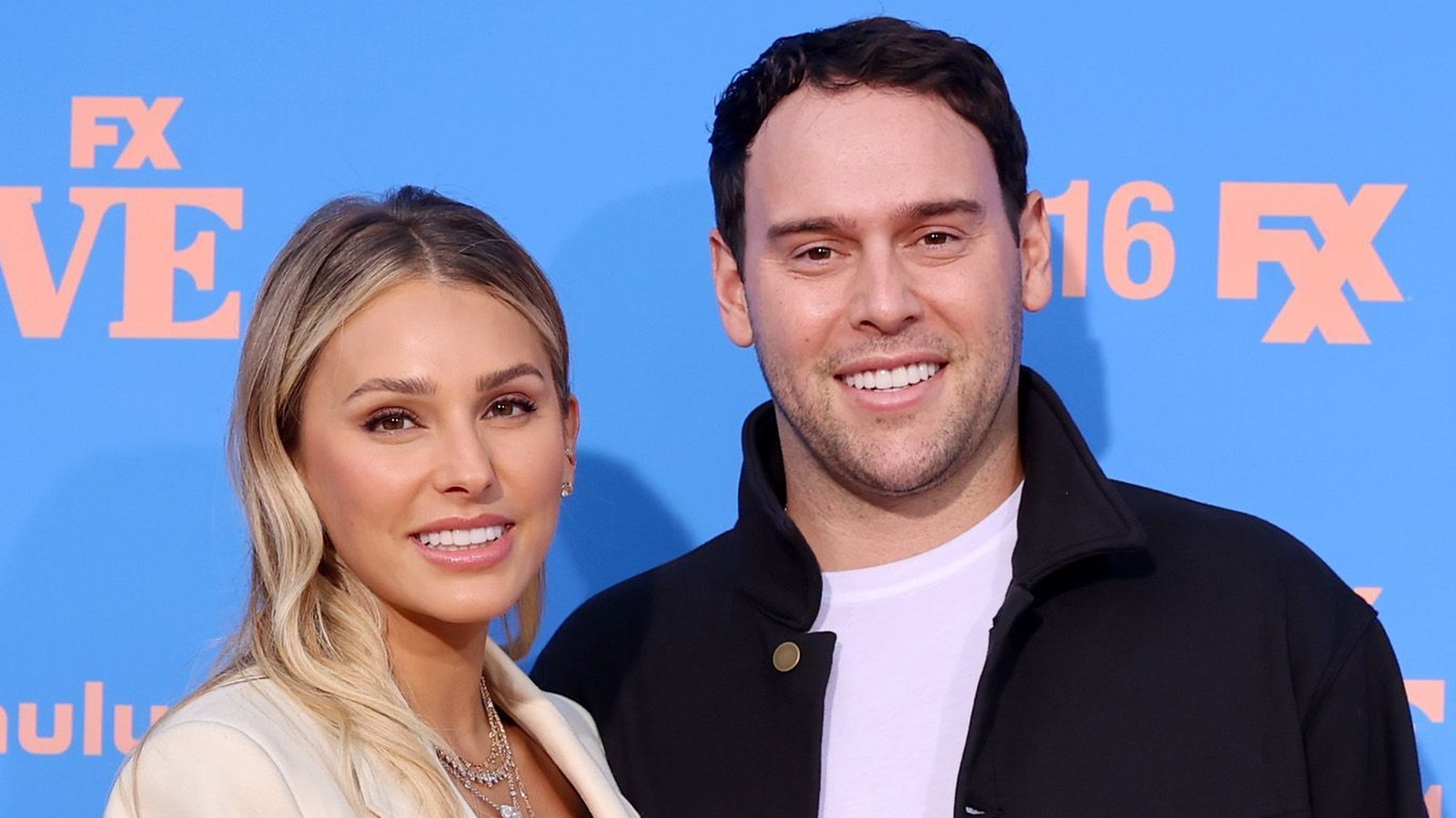
The internet has a long memory, especially when it comes to the $300 million sale that changed the music industry forever. When we talk about the fallout between Yael Cohen Braun and Taylor Swift, we aren't just talking about a business deal. We’re talking about a social media explosion that pitted a tech-savvy philanthropist against a global pop titan.
It started with a Tumblr post in June 2019. Taylor Swift was devastated. She’d just found out that Scooter Braun, a man she described as an "incessant, manipulative bully," now owned the master recordings of her first six albums.
But while the world watched the billionaire-on-billionaire violence unfold, Yael Cohen Braun—then Scooter’s wife—did something few people expected. She didn’t just stay in the background. She posted a point-by-point rebuttal on Instagram that effectively threw gasoline on an already massive fire.
The Instagram Post Heard 'Round the World
"Girl, who are you to talk about bullying?"
That was the line. Honestly, it’s still one of the most aggressive call-outs in celebrity history. Yael Cohen Braun didn't hold back. She accused Taylor of "collecting and dropping friends like wilted flowers" and claimed that Taylor actually did know about the deal before it went public.
According to Yael, Taylor’s father, Scott Swift, was a shareholder in Big Machine and had been notified. She basically called the singer’s public heartbreak a "temper tantrum." It was a classic "he-said, she-said" but on a scale where millions of fans were the jury.
The core of Yael’s defense was built on three main arguments:
- Taylor was given a chance to own her masters but passed on the deal.
- Taylor's team was notified of the sale ahead of time.
- Scooter isn't a bully; he’s a "fixer" who has supported Taylor behind the scenes.
Swifties didn't take it well. The backlash was swift (no pun intended) and brutal. Yael eventually had to ask Taylor to tell her fans to stop sending death threats to her family and children. It was a mess.
Did Vigilante S*** Change the Narrative?
Fast forward to 2022. Taylor releases Midnights. Specifically, a track called "Vigilante S***."
The lyrics sent the internet into a tailspin: "Picture me thick as thieves with your ex-wife / And she looks so pretty / Drivin' in your Benz / Lately she's been dressin' for revenge." People immediately assumed the song was about Yael Cohen Braun and Scooter Braun’s divorce, which had been finalized just a month before the album dropped. The theory? Taylor and Yael had bonded over their shared "enemy." It’s a delicious narrative. The woman who once blasted Taylor on Instagram allegedly handing her the "cold hard proof" to take down Scooter.
But here’s the thing: Scooter Braun himself finally addressed this in July 2025. On the Question Everything podcast, he laughed it off. He said he and Yael are "best friends" and talk every day. He even has a "same team" tattoo on his finger.
Basically, the "revenge" narrative might just be fan fiction.
The Business Reality vs. The Personal Beef
Beyond the drama, the Yael Cohen Braun and Taylor Swift saga highlights a massive shift in how we view music ownership. While Yael defended the legality of the deal, Taylor attacked the morality of it.
The facts of the master recording dispute are relatively settled now:
- Ownership: Big Machine (Scott Borchetta) owned the masters. He sold the entire company to Scooter’s Ithaca Holdings for roughly $300 million.
- The "Offer": Taylor was offered a deal where she could "earn" back one old album for every new one she turned in. She felt this was a trap to keep her at the label.
- The Re-Recordings: Because Taylor couldn't buy her original masters, she started the "Taylor’s Version" project. As of 2026, she has successfully reclaimed her narrative and most of her commercial value.
Why This Still Matters in 2026
Yael Cohen Braun and Taylor Swift represent two very different sides of a power struggle. One side argues for the sanctity of contracts and business acquisitions. The other argues for the rights of creators to own the art they birth.
Yael's role was that of a protective partner. She saw her husband being attacked on a global stage and used her platform to strike back. Taylor, meanwhile, used her platform to change the industry's standard for recording contracts.
Today, Yael continues her work with F— Cancer and remains a prominent figure in the philanthropic world. Scooter has mostly stepped back from day-to-day management to focus on his role at HYBE America. And Taylor? She eventually bought back her catalog in May 2025, effectively ending the "war" on her own terms.
Actionable Takeaways for Music Fans
- Check the Credits: When you stream music, look at the label. If it doesn't say "Taylor's Version" (for her early work), the money isn't going where you think it is.
- Understand the "Master" vs. "Publishing": The Yael/Taylor feud happened because of a split in rights. One person can own the song (Taylor), while another owns the recording (Scooter/Shamrock).
- Social Media Isn't The Full Story: As we saw with the "Vigilante S***" rumors, fan theories often outpace reality. Just because a lyric fits a situation doesn't mean it's a documentary.
If you’re following the business side of this, keep an eye on how new artists are structuring their first deals. Most modern labels are now offering "re-recording" clauses that are much more restrictive because of the "Taylor Swift effect."